
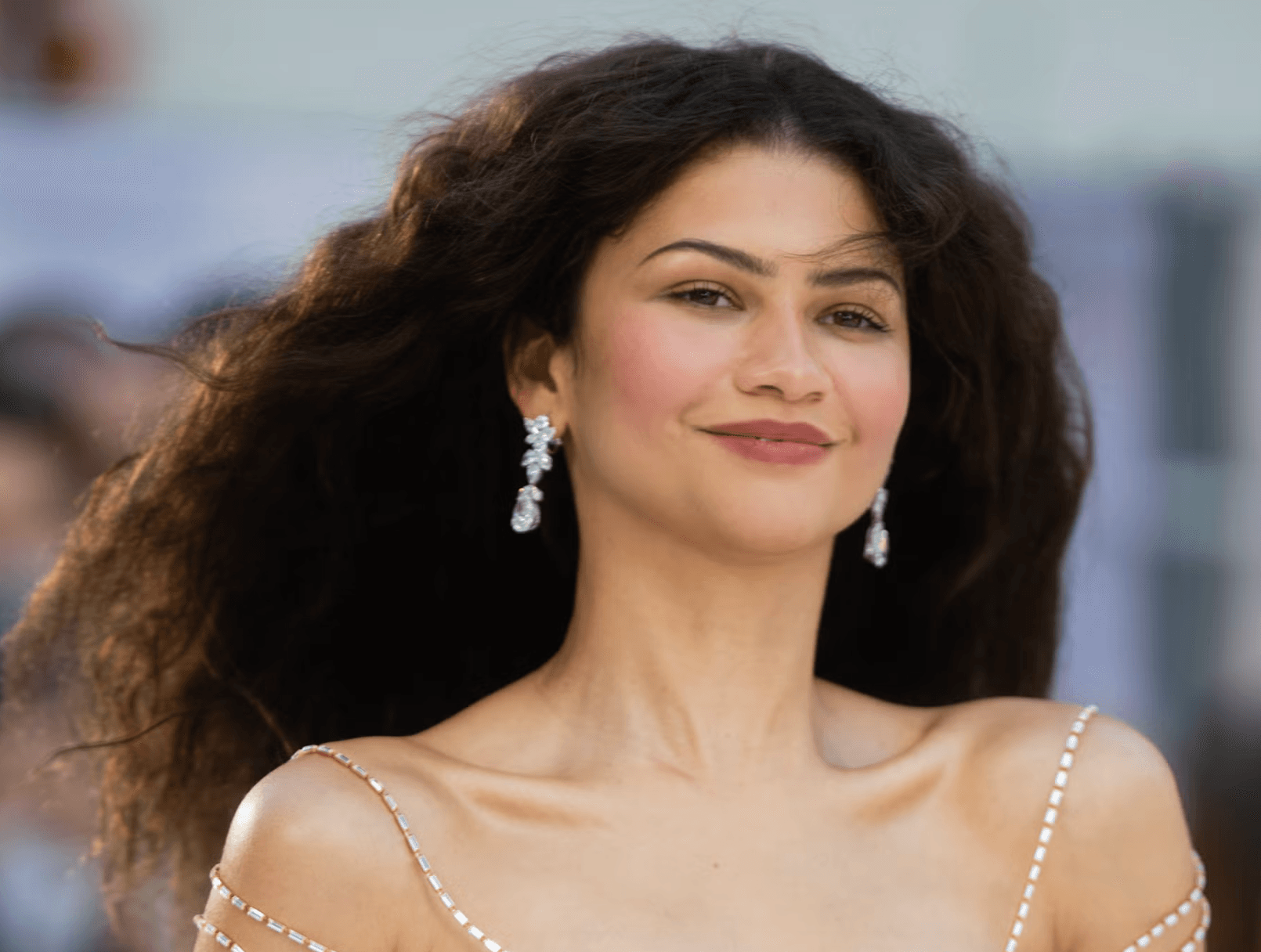
Heat styling has long been treated as a non-negotiable step in most hair routines, but a growing wave of stylists and dermatologists are pushing back on that assumption. According to Elle, air-drying has quietly become one of the most talked-about approaches in hair care, not as a trend but as a legitimate method for improving hair health while cutting down on daily styling time.
The appeal is straightforward. Blow dryers, flat irons, and curling wands all rely on high temperatures to reshape hair strands, and repeated exposure to that heat can weaken the protein bonds that keep hair strong and shiny. Elle's guide frames air-drying as a way to sidestep that damage entirely, allowing strands to dry at their own pace without the thermal stress that builds up over months and years of regular styling.
That is not to say air-drying is as simple as stepping out of the shower and walking away. Elle's reporting emphasizes that achieving a polished, frizz-free result without heat requires its own set of techniques, from the products used to the way hair is handled while wet. Getting it right is less about doing nothing and more about doing the right things at the right moments in the drying process.
One of the central themes in the guide is the importance of what happens immediately after a shower. Vigorously rubbing hair with a towel, a habit many people default to without thinking, can rough up the hair cuticle and lead to frizz and breakage. Gentler alternatives, such as blotting with a microfiber towel or an old cotton T-shirt, are presented as a simple swap that can make a noticeable difference in how hair looks once fully dry.
Product choice also plays a major role. Leave-in conditioners, lightweight creams, and curl-defining formulas are highlighted as tools that help hair dry in a more controlled, less frizzy way. For those with straighter hair textures, smoothing serums can help mimic some of the sleekness typically achieved with a blow dryer, while curly and wavy textures often benefit from products designed to enhance natural pattern rather than fight against it.
Timing matters as well. Applying products to soaking wet hair, then avoiding excessive touching or restyling while it dries, helps prevent the kind of disruption that leads to frizz. Elle's guide suggests that patience during the drying window, rather than constant adjustment, tends to produce better results, a shift from the more hands-on approach many people take when using heat tools to actively shape their hair.
Hair texture and porosity are also factors in how well air-drying works for a given person. Finer hair may dry faster and risk looking flat without some volumizing product, while thicker or coarser hair often takes longer and may need extra moisture to prevent dryness. The guide does not present air-drying as a one-size-fits-all solution but rather as a method that needs to be adapted to individual hair type.
Beyond the cosmetic outcome, there is a practical dimension to this shift. Cutting out daily blow drying and heat styling can meaningfully reduce the time spent on morning routines, an appeal that resonates in a culture increasingly focused on simplifying beauty regimens. It also reduces reliance on styling tools altogether, which can translate into less electricity use and fewer replacement purchases over time.
The health argument remains the most significant driver behind the renewed interest in air-drying. Dermatologists and stylists have long warned that consistent heat exposure can lead to split ends, brittleness, and long-term thinning in some cases. By removing heat from the equation, at least on some days of the week, people may be able to extend the life of a haircut or color treatment while giving strands a chance to recover.
None of this suggests that blow dryers and hot tools are going away. For many, heat styling remains a way to achieve looks that air-drying simply cannot replicate, particularly sleek, straight styles or precise curls. But the growing attention to air-drying, as detailed by Elle, signals a broader recalibration in how people think about the tradeoffs between styling ambition and hair health.
As more beauty coverage turns toward sustainable, low-damage routines, air-drying is emerging less as a fallback option and more as a deliberate choice. For anyone looking to give their hair a break without sacrificing how it looks, the message from Elle's guide is clear: no heat does not have to mean no results.