
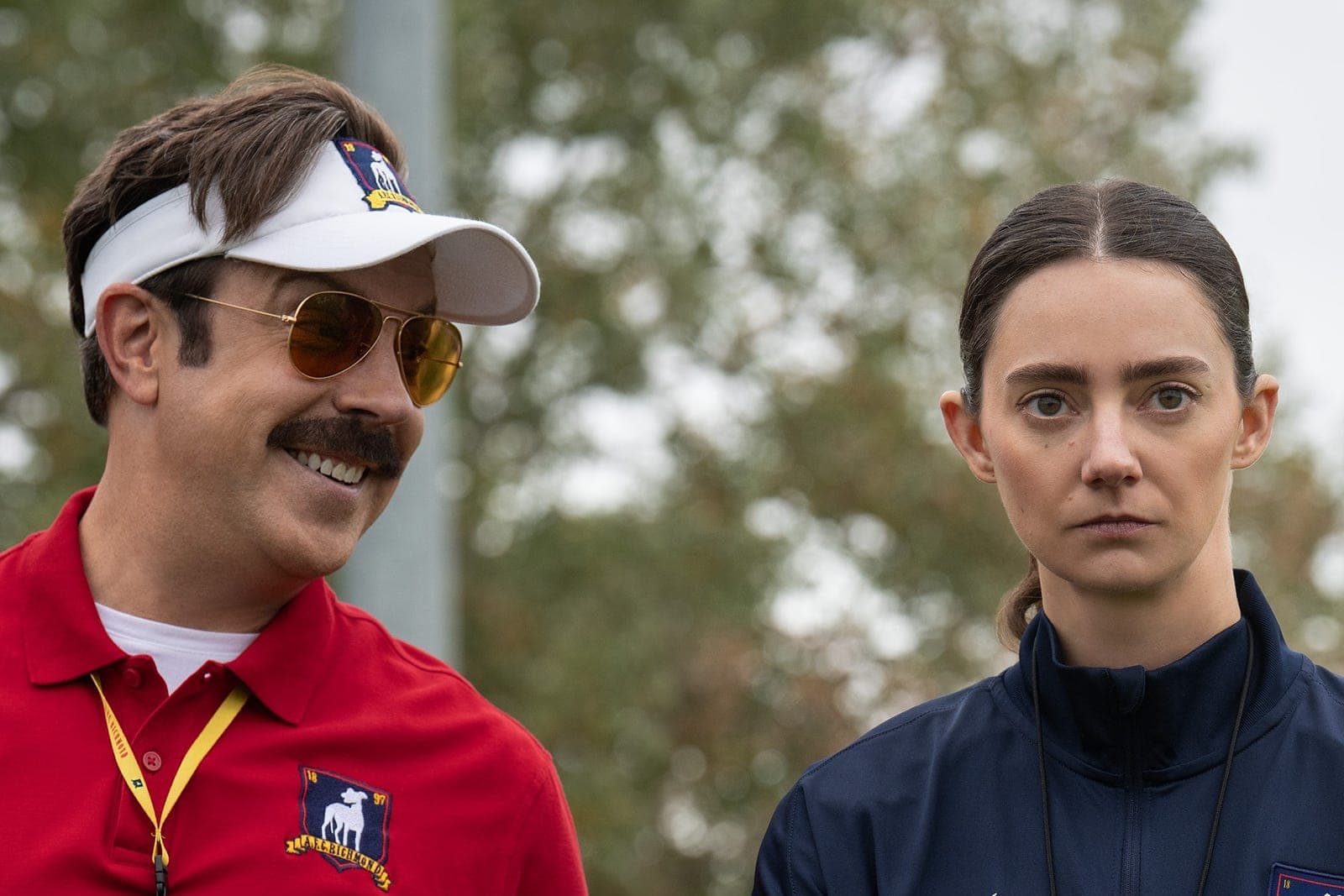
Ted Lasso comes back on August 5 with Jason Sudeikis in place as the coach from Kansas, this time attached to a newly formed women's side at AFC Richmond. Rebecca, played by Hannah Waddingham, Keeley, played by Juno Temple, and Roy, played by Brett Goldstein, are all still there. Around them is a squad of actors the show has never had before.
Meet the Lady Greyhounds
The team is built around a coach, Alice Chilton, played by Tanya Reynolds, who arrives tough and humourless and spends the season being taken apart. The players include Gemma (Abbie Hern), Lizzie (Faye Marsay), a goalkeeper called Boots (Jude Mack) and the competitive twins Siobhan and Niamh (Rex Hayes and Aisling Sharkey). Margy is played by Mercedes Assad, who turns out for the west London grassroots club Shepherd's Booters. Shannon Hayes, of Vigil, plays Shannon, and Annelise Heywood makes her first screen appearance as Mady.
Three weeks of football camp
Several of the cast had played the sport growing up and it still was not enough. Everyone went through a three week camp before filming, run by the former professionals Kasali Casal and Dan Parslow, who had both worked on earlier seasons. It started with fundamentals and ran all day, every day. Hern describes the later stages, once players with semi professional and professional careers had joined the sessions, and says the surprise was that nobody turned any of it into a contest.
The camp did more for the series than the football did. Mack says the group became friends and then became a team, in that order, and that the difference is visible on screen. Away from training they went to real matches together and ran their own games of The Traitors through several night shoots, with Sudeikis, Goldstein and Brendan Hunt turning up to watch the round tables at lunch. Reynolds calls the whole period heaven.
What the season is actually about
The comedy is aiming at something the men's storylines never had to carry. The Lady Greyhounds get worse facilities, thinner coverage and harder conversations about sponsorship, none of which is invented. A recent survey by the players' union FIFPRO found that two-thirds of women in the professional game earn under 20,000 dollars a year and that a quarter hold a second job. Pregnancy and childcare sit on top of that.
Sharkey draws the distinction cleanly. A men's team mostly wrestles with itself, she says, while a women's team has to get past funding, kit, pay and childcare before it can even reach its own internal game. Reynolds makes the same point from the writing side, noting that women who are also parents and also hold other jobs hand a show far more material than a squad of full time athletes would.
The production treated that seriously enough to consult players, among them Leah Williamson, who captains England, along with coaches and sports psychologists. Most of the episodes were written by women, and MJ Delaney, Ellie Heydon and Erica Dunton directed two apiece. Marsay says certain stories simply sit better with people who have lived the thing being described.
The show has taken on heavy subjects before without losing its register, and the stated aim this time was not to swap the old players for female equivalents. Mack's version is that the women are building their own world and their own legacy rather than inheriting one.
How Reynolds got the job
The casting story is the best thing in the whole press cycle. Reynolds says she has never played football, does not consider herself athletic in any respect, and taped an audition mainly because the idea of her coaching anything struck her as absurd. She did not rate the tape. A week later Sudeikis asked for a call and offered her the part during it. She asked him more than once whether he was sure.
Hern's audition was almost as improbable. She set up a tripod in the park across from her flat and recruited passing strangers to play football with her, none of whom, she suspects, believed her explanation.